
Why Common CCNA Exam Prep Fails: A Better Strategy
The Cisco Certified Network Associate (CCNA) 200-301 certification is a foundational credential validating a candidate's skills in implementing and administering Cisco solutions across a wide range of networking technologies. This certification serves as a critical entry point for network professionals, confirming their ability to install, configure, operate, and troubleshoot small to medium-sized enterprise networks, including security, automation, and programmability concepts. While many aspire to achieve this highly respected certification, a significant number of candidates encounter setbacks, often due to common yet avoidable pitfalls in their CCNA exam prep approach. This comprehensive guide will explore the typical reasons for these failures and outline a superior, practical, and step-by-step strategy for successful certification.
Recognizing the Value of CCNA Certification
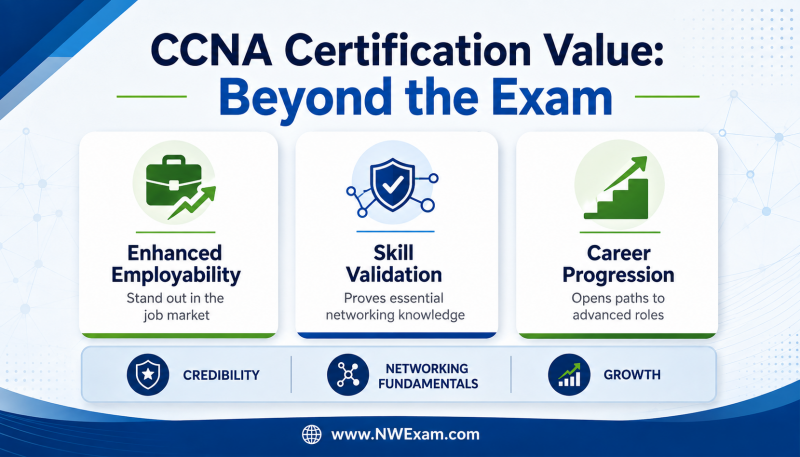
Achieving the Cisco CCNA certification offers a myriad of benefits that extend far beyond a mere resume booster. This credential signifies a recognized level of expertise that can significantly enhance career trajectories and earning potential. Professionals holding the CCNA are often seen as more competitive in the job market, capable of handling diverse networking tasks. The certification confirms a robust understanding of networking fundamentals, IP connectivity, IP services, security fundamentals, and automation and programmability, making certified individuals invaluable assets to any organization utilizing Cisco technologies. This deep, practical knowledge is a primary reason why many consider, "Is Cisco CCNA certification worth it?" The answer, unequivocally, is yes, given its industry recognition and direct applicability to real-world roles.
The validated skills contribute directly to operational efficiency and network stability. Companies actively seek out CCNA-certified individuals to fill roles such as network administrator, network support technician, and junior network engineer, demonstrating the high demand for this skill set. Beyond initial employment, the CCNA often serves as a prerequisite for more advanced Cisco certifications, opening doors to specialization and continued professional development.
For those questioning the investment of time and resources, the return is substantial. The skills acquired during CCNA exam prep are directly transferable to managing complex network infrastructures, troubleshooting connectivity issues, and implementing security policies. This practical foundation equips professionals to adapt to evolving network demands and contribute effectively from day one. To truly understand the full scope of benefits and updated information, candidates should refer to the official Cisco CCNA page.
Deconstructing Common CCNA Exam Prep Failures
Many hopeful candidates find themselves stuck in a cycle of frustration when preparing for the Cisco 200-301 CCNA exam. This often stems from an overreliance on outdated methods or a misunderstanding of the exam's practical nature. Rather than focusing on genuine comprehension and skill development, some individuals fall into traps that hinder their progress and ultimately lead to exam failure. Understanding these common missteps is the first step toward forging a more effective study path.
Misguided Study Habits
One prevalent failure point lies in passive study techniques. Merely reading textbooks, watching video lectures without active engagement, or memorizing facts in isolation can create a false sense of preparedness. The CCNA exam is designed to test not just theoretical knowledge but also the ability to apply concepts to real-world scenarios. Candidates who prioritize rote memorization over understanding the 'why' behind networking principles often struggle when faced with complex problem-solving questions. Without a deep grasp of how protocols interact and why configurations are chosen, the nuances required for the exam remain elusive. This includes neglecting topics crucial for the Implementing and Administering Cisco Solutions study guide.
Neglecting Hands-On Experience
Perhaps the most critical oversight in CCNA exam prep is the lack of hands-on practice. Networking is an intensely practical field, and the exam reflects this. Relying solely on theoretical knowledge without configuring devices, troubleshooting network issues, or building small topologies in a lab environment severely limits a candidate's ability to succeed. Many common exam prep failures are directly attributable to insufficient practical application, leaving candidates ill-equipped to handle the simulation-based questions or to intuitively understand command outputs and error messages. Theoretical learning combined with practical lab work is essential for truly cementing networking concepts.
Underestimating Exam Scope and Depth
The Cisco 200-301 CCNA exam covers a broad spectrum of networking topics, and underestimating its depth is a common pitfall. Some candidates focus heavily on areas they find easier or more interesting, inadvertently neglecting other critical domains. This uneven preparation leaves significant gaps in their knowledge base. The exam's syllabus is meticulously designed to assess a comprehensive skill set required for an entry-level network professional, and a superficial understanding of any major domain can prove fatal. Many fail because they don't fully internalize the breadth of Cisco 200-301 CCNA exam topics, leading to surprises on exam day.
Crafting a Superior Strategy for Implementing and Administering Cisco Solutions
A successful CCNA exam prep strategy moves beyond surface-level understanding and memorization, embracing a holistic approach that combines structured learning with extensive hands-on practice. The key is to adopt a strategy that fosters genuine comprehension, problem-solving abilities, and confidence in implementing and administering Cisco solutions. This methodical approach will not only help pass the exam but also build a solid foundation for a networking career.
Deepening Understanding of Cisco 200-301 CCNA Exam Topics
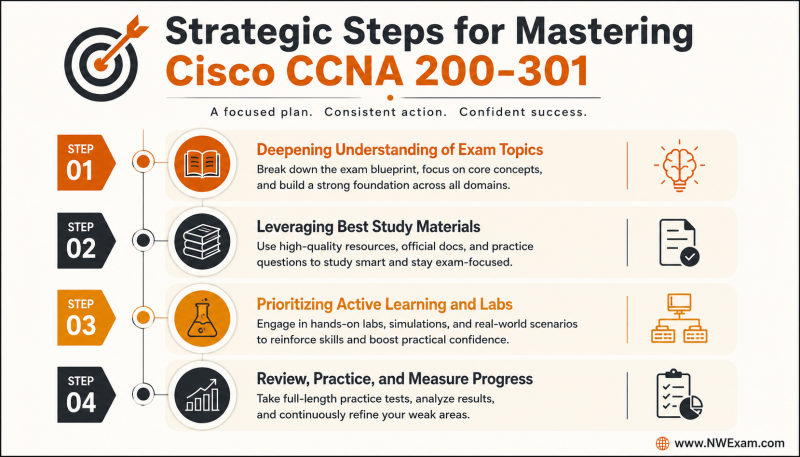
The foundation of a better strategy begins with a thorough understanding of the Cisco 200-301 CCNA exam topics. Instead of viewing the syllabus as a checklist, candidates should treat it as a roadmap for developing core competencies. Each topic listed is integral to a network professional's skill set. Begin by obtaining the official exam blueprint from the Cisco Learning Network, which details the weighted distribution of topics. This allows for a strategic allocation of study time, ensuring comprehensive coverage without disproportionate focus. Regularly checking the Cisco Learning Network for updates ensures alignment with the latest exam content.
For each topic, aim for conceptual mastery before diving into configuration commands. Understand the underlying principles of why a certain protocol functions the way it does or why a specific configuration is recommended. This conceptual clarity makes troubleshooting intuitive and adaptability easier, which is crucial for how to prepare for Cisco 200-301 CCNA effectively.
Leveraging Best Cisco CCNA Study Materials
Choosing the right study materials is paramount. Avoid relying on a single source; instead, create a diversified study plan that incorporates official Cisco documentation, reputable textbooks, video courses, and interactive labs.
-
Official Cisco Resources: These are gold standard for accuracy and depth.
-
Quality Textbooks: Look for books written by experienced network engineers and educators.
-
Video Training Platforms: Complement reading with visual explanations, especially for complex topics.
-
Practice Labs: This is non-negotiable. Utilize Packet Tracer, GNS3, EVE-NG, or physical lab equipment.
Ensure that your chosen materials align with the current 200-301 syllabus. Older materials might cover obsolete technologies or miss new additions like automation and programmability.
Prioritizing Active Learning and Labs
Active learning is transformative for CCNA exam prep. This means doing, not just observing.
-
Configure and Verify: For every concept learned, immediately go to the lab and configure it. Verify the configuration's effect using `show` commands.
-
Troubleshoot: Intentionally break configurations and then practice troubleshooting to identify and resolve issues. This builds critical diagnostic skills.
-
Design Small Networks: Practice designing simple network topologies based on given requirements. This integrates various concepts into a functional whole.
Hands-on experience reinforces theoretical knowledge like nothing else. It helps translate abstract concepts into tangible skills, making the information more retentive and practically applicable. This active engagement is fundamental to mastering the Implementing and Administering Cisco Solutions study guide.
Harnessing Practice Exams for Peak Performance
Practice exams are indispensable tools in CCNA exam prep, but their effectiveness hinges on how they are utilized. Simply taking practice tests and reviewing scores is not enough; a strategic approach to practice exams can significantly elevate your readiness and confidence. The goal is not just to answer questions correctly but to understand the underlying principles and identify areas requiring further study.
Simulating Exam Conditions
To maximize the benefit of practice exams, simulate the actual Cisco 200-301 CCNA exam environment as closely as possible.
-
Time Yourself: Adhere to the official exam duration. This helps build stamina and improves time management skills under pressure.
-
Minimize Distractions: Choose a quiet environment free from interruptions.
-
Review Immediately: After completing a practice exam, don't just look at the score. Thoroughly review every question, especially those answered incorrectly or guessed. Understand why the correct answer is correct and why the incorrect options are wrong.
This rigorous simulation helps acclimate you to the pressure of exam day, allowing you to identify any weaknesses in your pacing or concentration before the actual test. Engaging with comprehensive CCNA practice tests can provide valuable insights into your readiness.
Analyzing Performance and Gaps
Effective use of practice exams involves deep analysis of your performance.
-
Identify Weak Areas: Pinpoint the specific topics or domains where you consistently struggle.
-
Revisit Core Concepts: Go back to your study materials, lab exercises, and official documentation to reinforce understanding in those weak areas.
-
Track Progress: Keep a record of your scores and the topics you need to review. This provides a clear visual of your improvement over time.
Don't be discouraged by low scores initially. View each Cisco CCNA 200-301 practice exam as a diagnostic tool rather than a final judgment. The objective is continuous improvement. Utilizing available resources for Cisco 200-301 practice questions can be highly beneficial for this analytical process.
Understanding Cisco CCNA Certification Requirements and Logistics
Before embarking on your intensive CCNA exam prep, it's crucial to understand the logistical aspects of the certification. Knowing the requirements, costs, and administrative procedures can prevent last-minute surprises and allow for smoother planning. This includes clarity on what is needed to earn the certification and what to expect financially.
Pre-Requisites and Exam Fees
The Cisco CCNA certification has no formal prerequisites, meaning anyone can attempt the 200-301 exam. However, Cisco recommends having at least one year of experience with Cisco products, a basic understanding of IP addressing, and foundational network knowledge. While these are recommendations, they highlight the expected level of understanding for successful completion. Regarding the Cisco CCNA exam cost, it varies by region and is subject to change. Candidates should always check the official Cisco certification page or their chosen testing center for the most up-to-date pricing information. Budgeting for the exam fee in advance is a practical step in your overall preparation plan.
Exam Format and Scoring Insights
The Cisco 200-301 CCNA exam typically consists of multiple-choice, drag-and-drop, and simulation questions. The exact number of questions can vary, and candidates are given a specific amount of time to complete the exam. While the Cisco 200-301 CCNA passing score is not publicly disclosed by Cisco, it is generally understood that a performance significantly above 80% is a good target. This reinforces the need for comprehensive knowledge rather than aiming for a minimum threshold. Focus on mastering all domains rather than speculating on the exact score needed. Understanding the exam format helps in tailoring your preparation strategies to effectively tackle each question type.
Optimizing Study Duration: How Long to Study for Cisco 200-301 CCNA
A common question among aspiring CCNA candidates is "How long to study for Cisco 200-301 CCNA?" There's no one-size-fits-all answer, as the ideal study duration depends heavily on individual background, learning style, and available time. However, setting realistic expectations for study time is critical for a structured and effective CCNA exam prep.
For individuals with some networking experience or a strong technical background, a dedicated study period of 3-6 months, averaging 10-15 hours per week, might suffice. This timeframe allows for thorough coverage of all topics, ample lab practice, and effective use of practice exams. For those new to networking, a more extended period of 6-12 months, with consistent study, is often recommended. This longer duration provides the necessary time to build foundational concepts from scratch, become comfortable with networking terminology, and gain hands-on proficiency.
Consistency is more important than cramming. Regular, shorter study sessions are generally more effective than infrequent, marathon sessions. Create a personalized study schedule and stick to it, allocating specific times for theoretical review, lab practice, and mock exams. Regularly reassess your progress and adjust your schedule as needed, dedicating more time to challenging topics.
Career Trajectories and Cisco CCNA Salary Expectation
The impact of obtaining the CCNA certification extends significantly to career advancement and potential earnings. Employers globally recognize the CCNA as a benchmark for entry-level networking proficiency, opening doors to various roles. Discussing the Cisco CCNA salary expectation involves understanding the market demand and the specific responsibilities of positions that typically require this certification.
Professional Growth and Role Opportunities
Holding a CCNA certification qualifies individuals for roles such as Network Administrator, Systems Engineer, IT Support Specialist, and Network Technician. These positions are critical in maintaining the backbone of modern businesses, ensuring seamless connectivity and secure data flow. As professionals gain experience, the CCNA serves as a springboard for further specialization in areas like security, wireless, data center, or collaboration, leading to more senior and specialized roles. The hands-on skills validated by the 200-301 exam directly translate into daily job functions, making CCNA professionals immediately valuable to their teams. This certification is often a key differentiator in a competitive tech job market, signifying commitment and proven capability.
Earning Potential and Market Demand
While specific salary figures vary widely based on location, experience, industry, and company size, Cisco CCNA certified professionals generally command higher salaries than their uncertified counterparts in similar roles. The Cisco CCNA salary expectation typically falls within a competitive range for entry to mid-level IT positions, with significant potential for growth as experience accumulates and further certifications are acquired. The consistent demand for skilled network professionals ensures that CCNA holders remain highly sought after. Companies continually invest in network infrastructure, creating a perpetual need for individuals capable of implementing and administering Cisco solutions.
Engaging with Cisco CCNA Training Courses
For many, navigating the vast amount of information required for the CCNA 200-301 exam can be daunting. Cisco CCNA training courses offer a structured and guided path to mastering the necessary skills and knowledge. These courses can be a game-changer, especially for those who benefit from organized learning environments and direct instructor interaction.
Formal training courses, whether in-person or online, provide a curated curriculum that aligns directly with the Cisco 200-301 CCNA exam topics. They often include comprehensive lecture materials, hands-on lab exercises, and opportunities for peer interaction, creating a rich learning ecosystem. A key advantage is the presence of experienced instructors who can clarify complex concepts, provide real-world insights, and guide students through challenging lab scenarios. This structured learning environment helps to break down the Implementing and Administering Cisco Solutions study guide into manageable modules, ensuring comprehensive coverage.
When choosing Cisco CCNA training courses, consider the format (self-paced, instructor-led, virtual, in-person), the quality of lab environments, and instructor credentials. Some courses offer integrated practice exams and study groups, further enhancing the preparation experience. While not strictly mandatory, enrolling in a high-quality training course can significantly streamline your study process, making your CCNA exam prep more efficient and effective, particularly when you need a clear, actionable guide on how to prepare for Cisco 200-301 CCNA.
Conclusion
Passing the Cisco CCNA 200-301 exam is a significant achievement that opens many doors in the networking industry. The key to success lies in moving beyond common, ineffective study habits and embracing a strategic, hands-on approach. By deeply understanding the exam topics, leveraging diverse and high-quality study materials, prioritizing active lab practice, and utilizing practice exams as diagnostic tools, candidates can build a robust foundation for success. The journey requires dedication, consistency, and a commitment to genuine skill development, not just memorization.
Embrace this enhanced strategy to transform your CCNA exam prep from a potential source of failure into a clear path to certification. Your proactive efforts in practical application and thorough understanding will not only lead to passing the exam but also establish a formidable foundation for a thriving career in networking. To further aid your preparation, explore comprehensive and effective study resources designed to build your confidence and refine your skills, such as engaging with Cisco 200-301 sample questions.
Frequently Asked Questions
1. What is the Cisco CCNA 200-301 certification?
The Cisco CCNA 200-301 is a foundational certification that validates a candidate's understanding of core networking technologies, including network fundamentals, IP connectivity, IP services, security fundamentals, automation, and programmability. It's designed for entry-level network professionals.
2. Why do many candidates fail the CCNA exam?
Common reasons for failure include over-reliance on passive learning, insufficient hands-on lab practice, underestimating the exam's comprehensive scope, and focusing on rote memorization rather than conceptual understanding and practical application.
3. What are the best study materials for CCNA exam prep?
The best study materials typically include official Cisco documentation, reputable textbooks, high-quality video courses, and, most importantly, practical lab environments like Cisco Packet Tracer, GNS3, or EVE-NG for hands-on configuration and troubleshooting.
4. How much hands-on lab practice is needed for the Cisco 200-301 CCNA exam?
Extensive hands-on lab practice is crucial. Candidates should aim to configure, verify, and troubleshoot every concept covered in the syllabus multiple times. Practical experience helps cement theoretical knowledge and prepares candidates for simulation-based exam questions.
5. Is the Cisco CCNA certification worth the effort and investment?
Yes, the Cisco CCNA certification is highly regarded in the industry. It enhances career opportunities, often leads to higher salary expectations, and provides a solid foundation for advanced networking roles and further specialization in various Cisco technologies.
- CCNA |
- CCNA Exam Questions |
- Cisco CCNA Questions |
- Cisco CCNA Practice Test |
- Cisco CCNA Books |
- Cisco CCNA Certification |
- CCNA Certification Questions and Answers |
- CCNA Certification Sample Questions |
- CCNA Certification Cost |
- CCNA mock exam |
- CCNA Practice Test |
- Cisco Enterprise Certification |
- 200-301 CCNA |
- 200-301 Online Test |
- 200-301 Questions |
- 200-301 Quiz |
- 200-301 |
- CCNA Certification Mock Test |
- Cisco CCNA Primer |
- CCNA Question Bank |
- CCNA Simulator |
- CCNA Study Guide |
- Cisco 200-301 Question Bank |
- Implementing and Administering Cisco Solutions |
- 200-301 Syllabus |
- CCNA Books |
- CCNA Certification Syllabus |
- Cisco CCNA Training |
- Cisco 200-301 Books |
- CCNA Sample Questions |
- Cisco 200-301 Practice Test Free


